Traditional Damp Management & Damp Proofing

Damp in older properties requires a considered approach. Unlike modern buildings, traditional buildings were often constructed using materials such as stone, cob, solid brickwork, lime mortar and timber, which interact with moisture differently from modern construction.

At Shape Conservation, we specialise in the traditional treatment of damp in period properties, listed buildings and historic structures.

Rather than relying on modern chemical damp-proofing systems or impermeable coatings, we focus on understanding the causes of moisture and addressing them through appropriate building repairs, breathable materials and time-tested conservation methods.

Our aim is to help manage moisture effectively while preserving the character, integrity and natural performance of your building.

Understanding the Causes of Damp.

Damp can arise for a variety of reasons, and the correct treatment depends on understanding what is happening within the building. Moisture may be associated with defective rainwater goods, leaking pipes, damaged pointing, raised external ground levels, poor drainage, inadequate ventilation or inappropriate modern materials that restrict the natural movement of moisture.

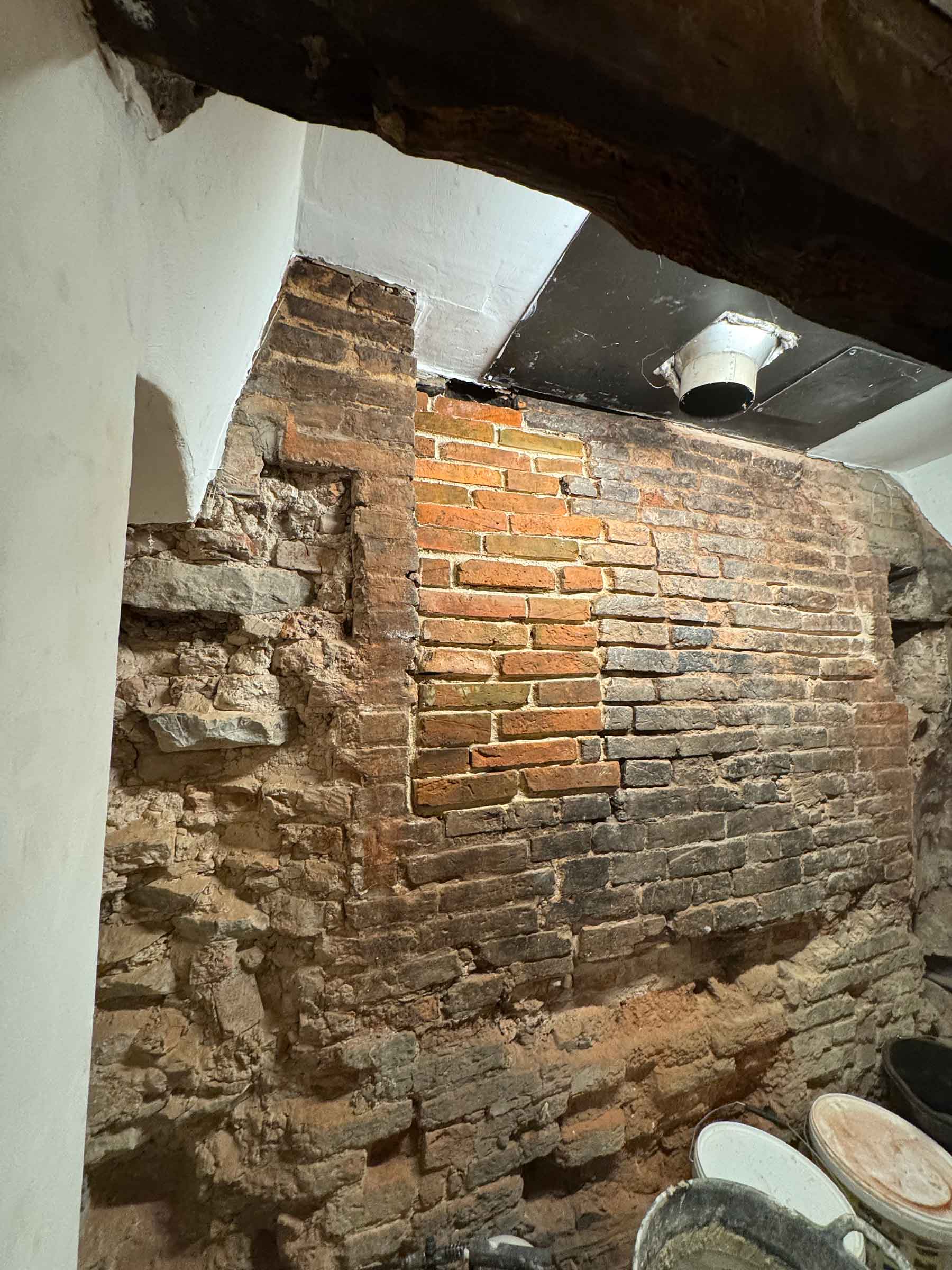
In many older properties, previous repairs using dense cement renders, hard cement pointing or impermeable finishes can interfere with the building’s ability to manage moisture. These materials may trap moisture within walls or contribute to deterioration of softer historic masonry, mortar and plaster.

Rather than treating every damp problem in the same way, we take a building-specific approach, considering its construction, condition and previous alterations before recommending suitable remedial work.

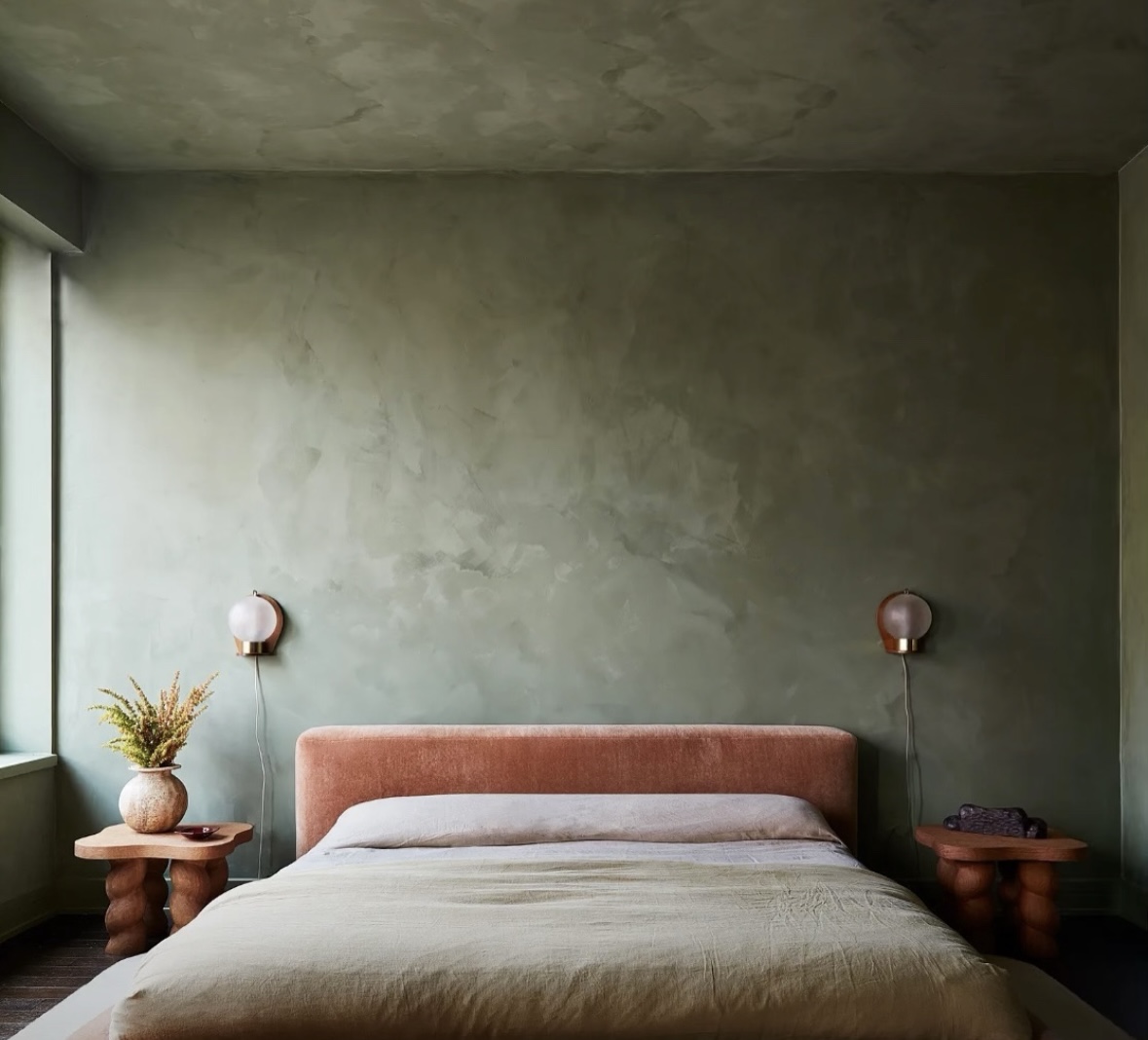
Limewashing

Traditional Materials. Thoughtful Solutions.

Our approach is rooted in the use of traditional, breathable materials that are compatible with historic building fabric. These materials allow moisture vapour to move through the building and can help support its natural moisture-regulating behaviour when used appropriately.

Depending on the building and the source of the problem, our work may include:

Lime plastering and rendering: Removing unsuitable, impermeable finishes and replacing them with compatible lime-based materials where appropriate.

Traditional lime pointing: Repairing deteriorated joints using suitable lime mortars to help protect masonry while maintaining its ability to manage moisture.

Limecrete flooring: Providing a breathable alternative to conventional solid floor construction where the existing floor and ground conditions make this suitable.

Cob and masonry repairs: Addressing defects in traditional wall construction using compatible materials and repair techniques.

Removal of inappropriate materials: Carefully removing cementitious or impermeable finishes where these are contributing to moisture-related problems and their removal is appropriate.

Building maintenance and remedial repairs: Identifying and addressing defects such as leaking rainwater goods, damaged external finishes and other potential sources of water ingress.

Every building is different, so the appropriate combination of materials and repairs will depend on the findings of an initial assessment.


Why Choose a Breathable Approach?

Traditional buildings were generally constructed without the same damp-proofing arrangements found in many modern properties. Their performance often depends on the compatibility of their materials and their ability to accommodate and release moisture.

Using suitable lime-based and other breathable materials can help maintain this balance, reduce the risk of moisture becoming trapped behind impermeable finishes and protect vulnerable historic fabric.

We do not rely on chemical damp-proof injection systems or impermeable tanking as our standard solution. Instead, we prioritise identifying the underlying cause of damp and selecting a proportionate, sympathetic remedy suited to the building.

Breathable materials are not a universal cure for damp. They must be used alongside appropriate repairs and effective management of water ingress, drainage, ventilation and other contributing factors.

Damp Treatment for Listed and Period Properties

Working with historic buildings calls for more than a one-size-fits-all solution. Materials that may be suitable for one property can be inappropriate for another, particularly where traditional construction, soft masonry, cob walls or historic internal finishes are involved.

Our experience in heritage building conservation enables us to approach damp-related repairs with an understanding of traditional construction and the importance of retaining original materials wherever possible.

Whether you own a listed cottage, a traditional farmhouse, a cob property or a historic town house, we aim to provide practical, considered solutions that address the moisture problem without compromising the building’s historic character.

A Building-Specific Approach

We believe effective damp management starts with understanding the building rather than immediately prescribing a treatment.

We can discuss the symptoms you have noticed, consider the construction and condition of the property, and identify areas that may require further investigation. Where appropriate, we can recommend a programme of remedial works using traditional materials and conservation-led techniques.

Our focus is on addressing the causes of moisture wherever they can be identified, using compatible repairs to support the long-term condition of the building.

Discuss Your Damp Concerns with Shape Conservation

If you are experiencing damp in a period property, listed building or traditional home, Shape Conservation can help you explore an appropriate way forward. We work across Dorset, Devon and Somerset, undertaking sympathetic restoration and remedial work using traditional materials and methods.

Contact Shape Conservation to discuss your property and arrange an initial consultation.

Find out More...
Shape Conservation © 2026. All Rights Reserved | Privacy Policy | Website Design Dorset - Good Design Works